
This article is Part 1 of an eight-part series, The Ideational Frame: Drawing from Cinematic DNA for AI Cinematic Realism, designed to bridge classical film theory with the frontier of synthetic media. This series is a call to return to the core of cinema’s specificity—the rigorous craft of staging and cinematography—to open up new possibilities for the art and practice of generative AI media.
The history of cinema has traditionally been defined by the act of capture—the mechanical recording of a physical world as it unfolds before a lens. However, the emergence of AI Cinematic Realism marks an ontological shift. In this new medium, the director’s craft moves away from the “staging” of physical reality and toward the “synthesis” of pure intent. To understand this transition, it is necessary to return to the foundational concept of the director’s craft: mise-en-scène.
The Roots of Staging
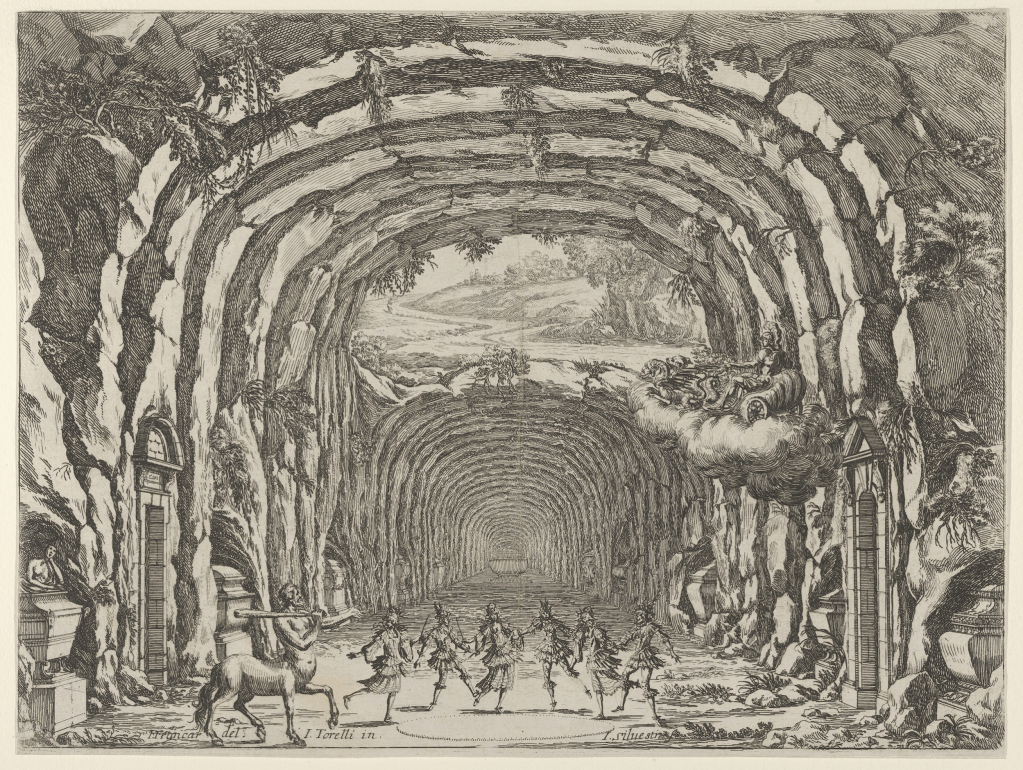
Derived from the French for “putting into the scene,” mise-en-scène originally referred to the arrangement of actors and stage design in 17th-century theater .
By the late 19th century, this practice evolved into cinematic art. Early works like the Lumière brothers’ The Waterer Watered (1895) defined the medium through the movement of actors and their props within a fixed, physical garden . For over a century, this was the “Indexical Trace”—the photographic proof that a specific event actually occurred in front of a lens.
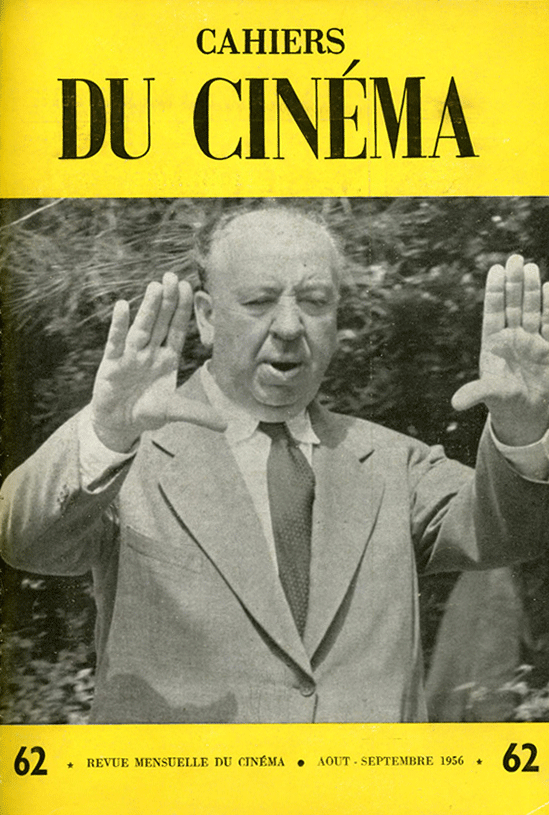
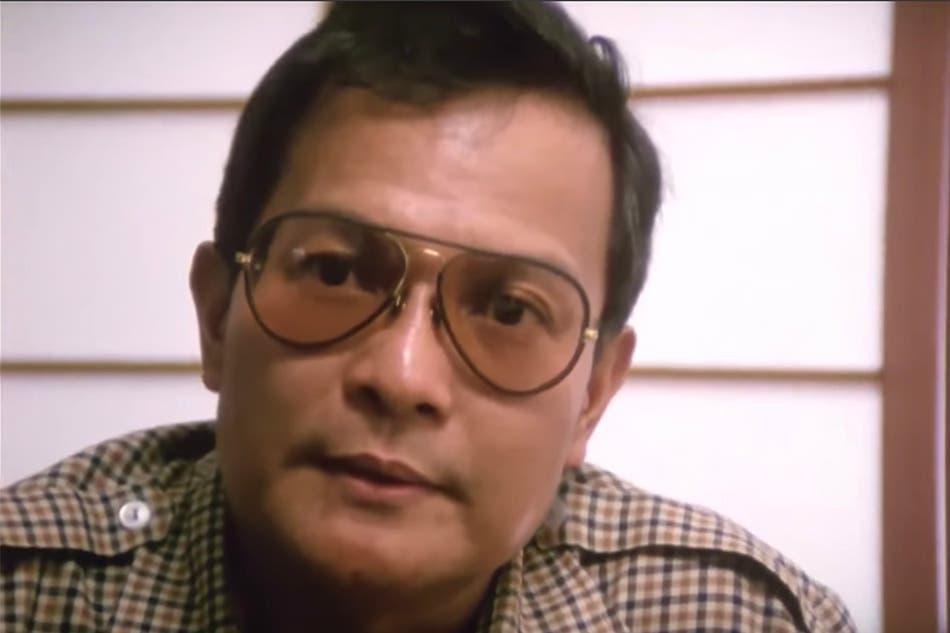
Since the 1950s, as championed by the influential French journal Cahiers du Cinéma, mise-en-scène has been understood as the director’s total control over the creative decisions of their film—a philosophy embodied by masters like Alfred Hitchcock and Lino Brocka .
The Ozu Lesson: Precision as Realism
In Yasujirō Ozu’s Tokyo Story (1953), the pinnacle of traditional mise-en-scène is achieved through precise, quiet arrangement to create a sense of realism.
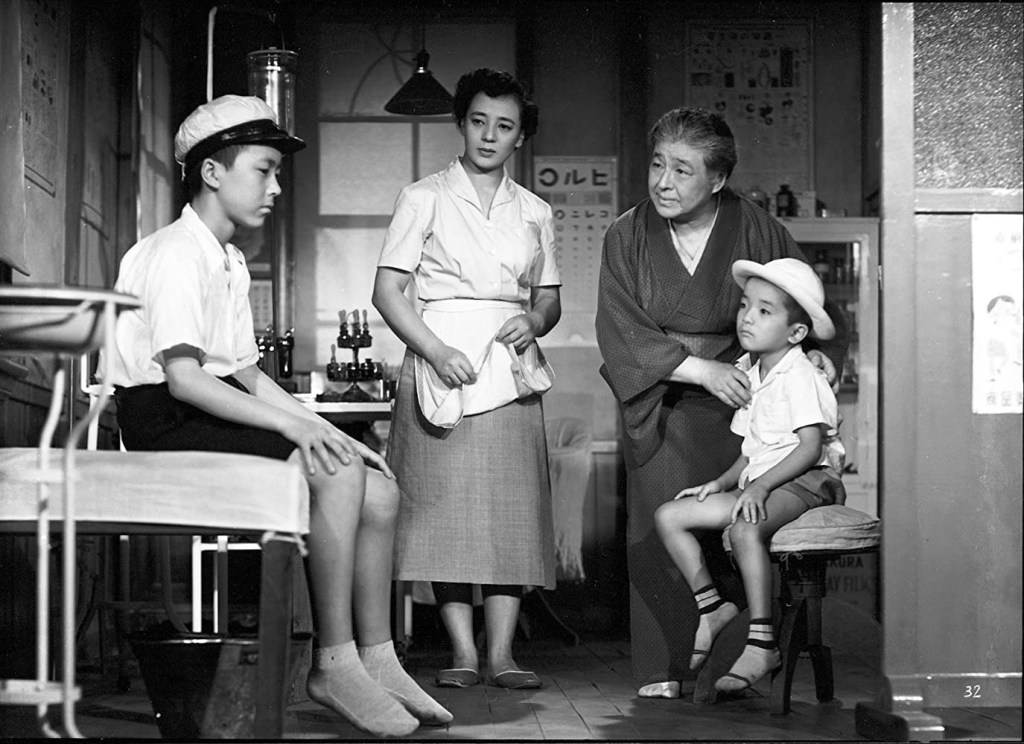
Ozu proves that cinematic meaning is not merely “found” by a camera; it is constructed through directorial choice. For the practitioner of AI Cinematic Realism, this serves as a primary lesson: the frame is a deliberate manifestation of thought.
The Ontological Break: From Capture to Synthesis
AI Cinematic Realism represents a radical rupture from this lineage of capture. There is no camera, no sensor, and no “mechanical event.” The image is ideational. Unlike Ozu, who staged a physical reality to be captured, the AI filmmaker uses statistical synthesis to conjure a reality directly from the latent space.
The fluidities and “shimmers” inherent in current AI generation should not be viewed merely as technical hurdles. Instead, they represent a new textural grammar. When a filmmaker stops trying to force AI to look like a 35mm camera and starts using these machine textures to represent internal or abstract states, the medium begins to find its own voice.
Springboard: Opening the Latent Set
By moving from capture to construction, filmmakers can explore aesthetic possibilities that remain outside the reach of traditional cinematography:
- Architectural Interiority: Just as Ozu used a static environment to produce emotional weight, the AI filmmaker can allow a latent environment to subtly shift in response to a character’s internal state.
- Accountable Authorship: Because every pixel is “conjured,” the filmmaker acts as a moral agent. They are responsible for the entire world they have authored, ensuring that the forensic question—“Is this real?”—is replaced by the narrative and ethical question: “Is this true?”
Pursuing Cinematic Truth
Cinematic Truth does not require physical fidelity; it requires Emotional Plausibility. By applying the rigorous logic of traditional mise-en-scène to the latent space, the AI filmmaker ensures that the synthetic world carries the weight of lived experience. The goal is no longer to record reality, but to move the heart through a shared, constructed truth.

 Joni Gutierrez, Ph.D.
Leave a comment