
This article is Part 4 of an eight-part series, The Ideational Frame: Drawing from Cinematic DNA for AI Cinematic Realism, designed to bridge classical film theory with the frontier of synthetic media. This series is a call to return to the core of cinema’s specificity—the rigorous craft of staging and cinematography—to open up new possibilities for the art and practice of generative AI media.
In this phase of the transition, the focus shifts from the static environment to the movement of the human figure within the frame. In AI Cinematic Realism, performance is not merely “acting” in the traditional sense, but the total orchestration of gesture, posture, and spatial relation within a constructed image.
The Centrality of Movement
A fundamental aspect of the director’s craft is to shape the movement of various elements in the film, including actors, objects, and machines. This is vividly illustrated in Ingmar Bergman’s The Seventh Seal (1957), where the blocking of characters against the horizon defines the narrative’s physical and emotional space.
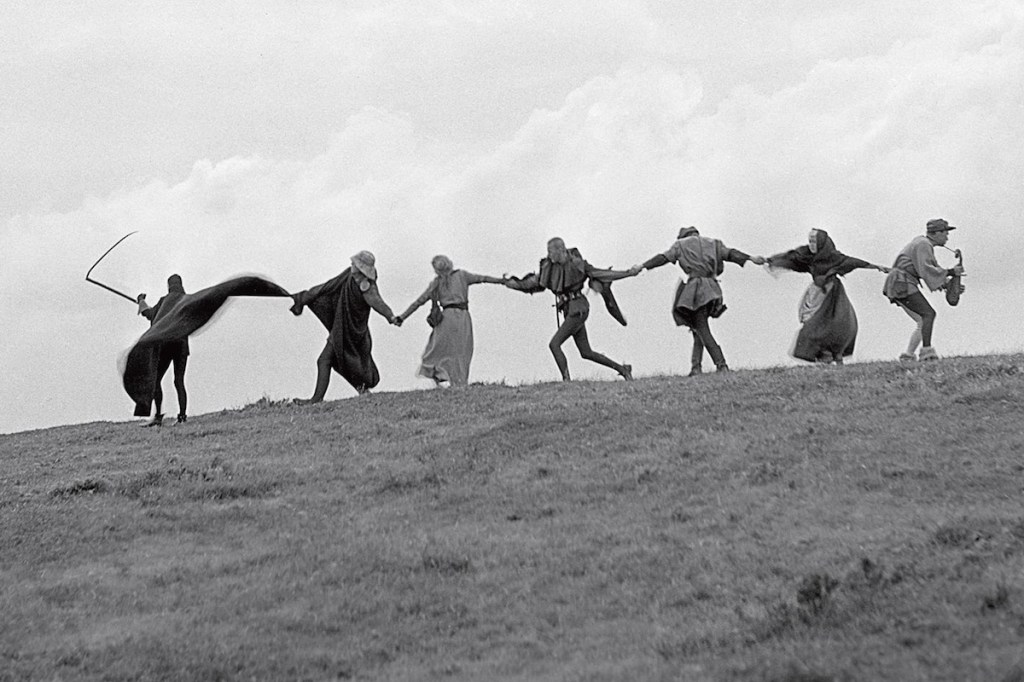
For the AI filmmaker, movement is established as a core element of mise-en-scène, alongside setting and lighting. Acting is not an isolated event; it cooperates with other production elements such as camera movement, framing, and composition to create a unified whole. This integrated design is evident in the deep-focus blocking of Orson Welles’ Citizen Kane (1941).
From Trained Performers to Stylized Presence
The director may work with trained performers or non-actors, and the resulting behavior can range from life-like realism to extreme stylization .
Real-life Behavior
Vittorio De Sica’s Umberto D. (1952) demonstrates performance that stays close to everyday human behavior to achieve a sense of authenticity.
Visual Rhythm
In Sam Mendes’ 1917 (2019), figure movement is meticulously timed with the camera to create a relentless visual rhythm.
In the latent space, the “actor” is a product of the director’s vision and the narrative’s demands. The AI filmmaker is no longer recording a human subject; they are designing a behavioral style.
Springboard: Orchestrating the Latent Figure
By moving from “directing a person” to “orchestrating a presence,” the AI filmmaker can achieve a level of symbolic precision that traditional staging cannot reach:
The Prop-Actor Hybrid
Drawing from Charlie Chaplin’s use of his derby as a “panoply of props” in The Kid (1921), the AI filmmaker can design characters whose very anatomy or clothing functions as a narrative motif, shifting and reacting to the environment in ways a physical costume cannot.
Hyper-Expressive Blocking
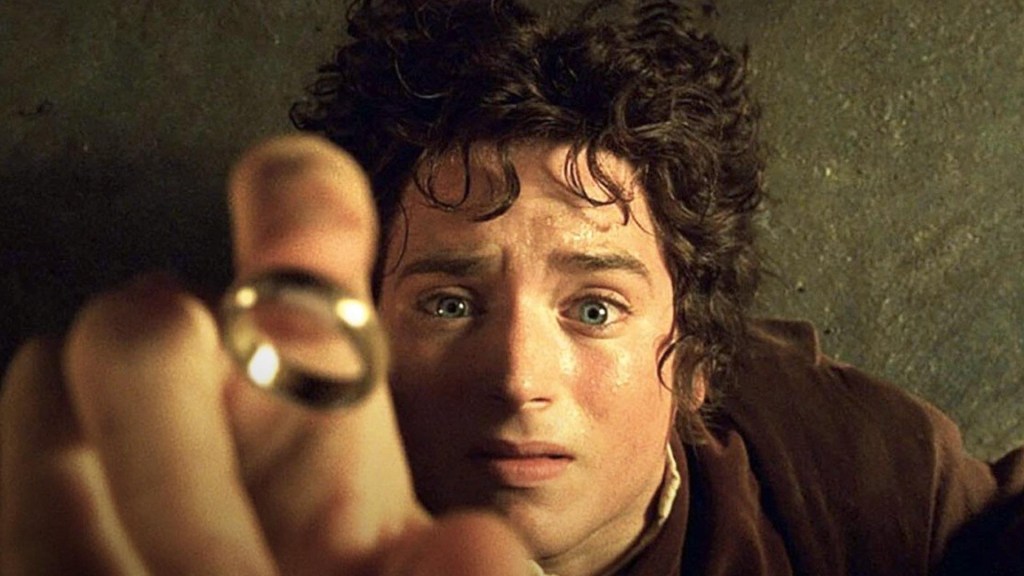
Just as the high-angle shot in The Lord of the Rings (2001) psychologically places a character in a vulnerable position, the AI filmmaker can “conjure” figure movements that subtly defy physics to emphasize a character’s internal weight or lightness.
Accountable Authorship of Gesture
Because every twitch and stride is “conjured,” the filmmaker is responsible for the Cinematic Truth of the performance. The goal is a presence that resonates emotionally, ensuring the spectator feels a lived experience even in a fully synthetic figure.
Performance in AI Cinematic Realism is the ultimate craft of the film director—a synthesis of setting, lighting, and movement that composes the final authored world.

 Joni Gutierrez, Ph.D.
Leave a comment