
This article is Part 5 of an eight-part series, The Ideational Frame: Drawing from Cinematic DNA for AI Cinematic Realism, designed to bridge classical film theory with the frontier of synthetic media. This series is a call to return to the core of cinema’s specificity—the rigorous craft of staging and cinematography—to open up new possibilities for the art and practice of generative AI media.
In the transition to AI Cinematic Realism, the filmmaker’s ability to organize a synthetic frame is rooted in the classical mastery of composition. Composition is not merely about aesthetic balance; it is a deliberate arrangement of visual elements to guide the spectator’s attention and manifest emotional subtext. By applying these structural rigors to the latent space, the AI filmmaker ensures that a “conjured” image functions with the same narrative precision as a captured one.
The Geometry of Meaning
Cinematographic composition is deeply influenced by painting and photography, utilizing lines and their connotations to foster visual rhythm or tension.
Directing the Eye
In Akira Kurosawa’s Seven Samurai (1954), the interaction between the diagonal lines of weapons and falling rain enhances the kinetic sense of action.

Dynamic Shapes
Composition often utilizes geometric forms, such as the triangular arrangement of characters in Orson Welles’ Citizen Kane (1941), to create a stable yet dynamic focus.

Organizing Information
A successful frame takes into account how the human mind processes information, moving the viewer’s gaze from “here” to “there.”
Layers of Subtext
The arrangement of the frame is the director’s primary tool for rendering layers of meaning and atmosphere without words.
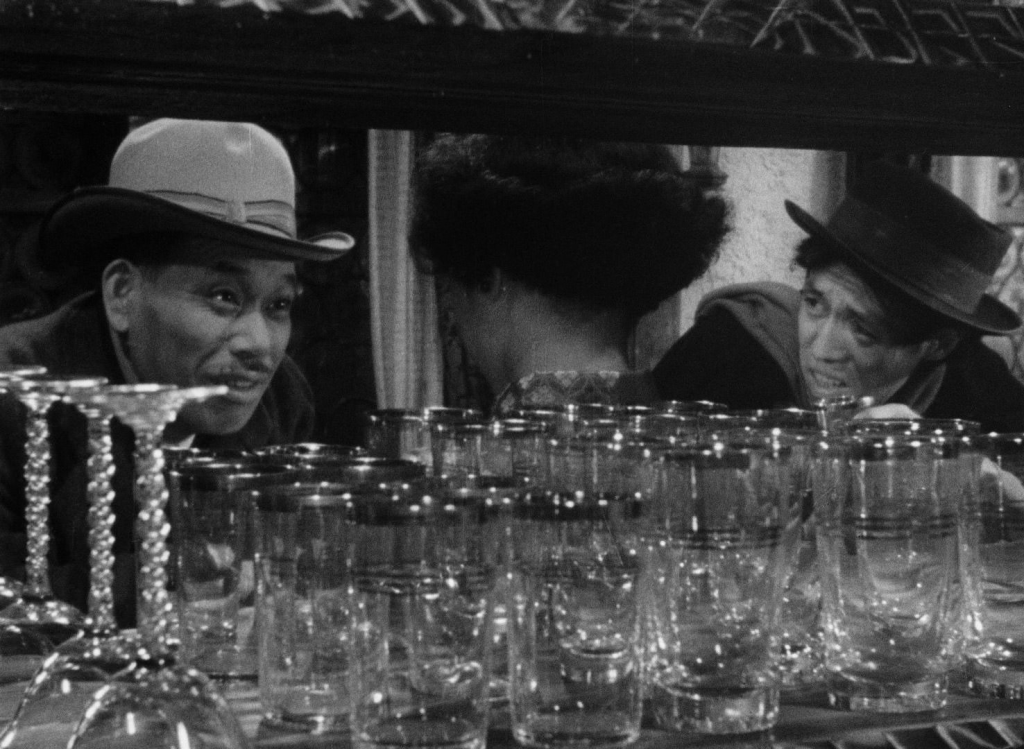
The Frame-Within-a-Frame
This technique, used in Akira Kurosawa’s Ikiru (1952), reveals the internal struggle of a character as he begins a journey toward self-discovery.
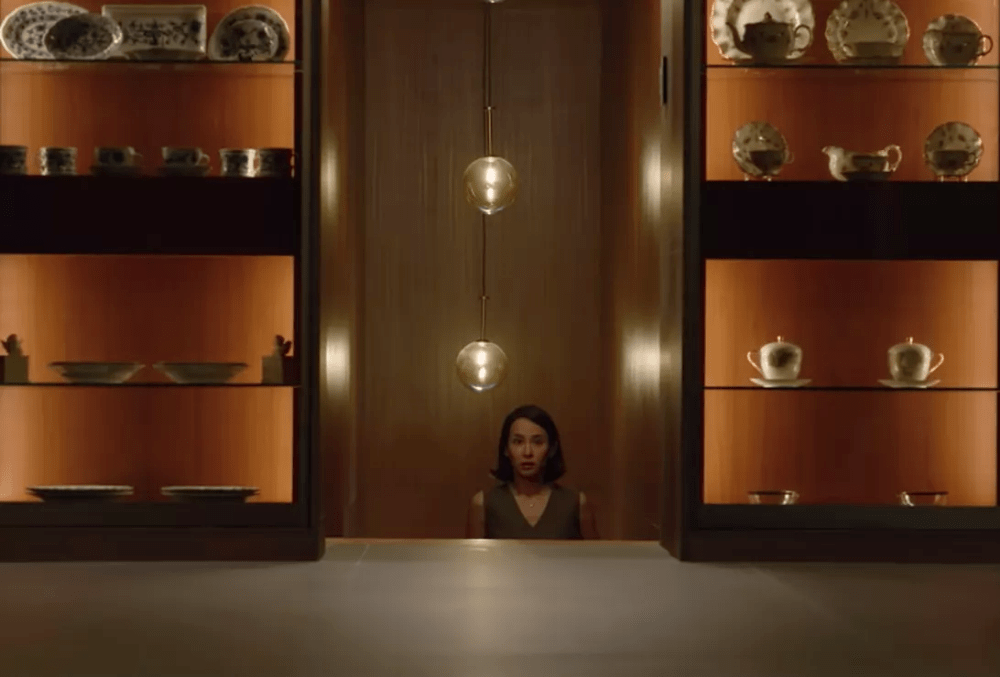
Visual Metaphor
In Bong Joon Ho’s Parasite (2019), the composition uses patterns and order to cinematically render the social and emotional subtext of the narrative.
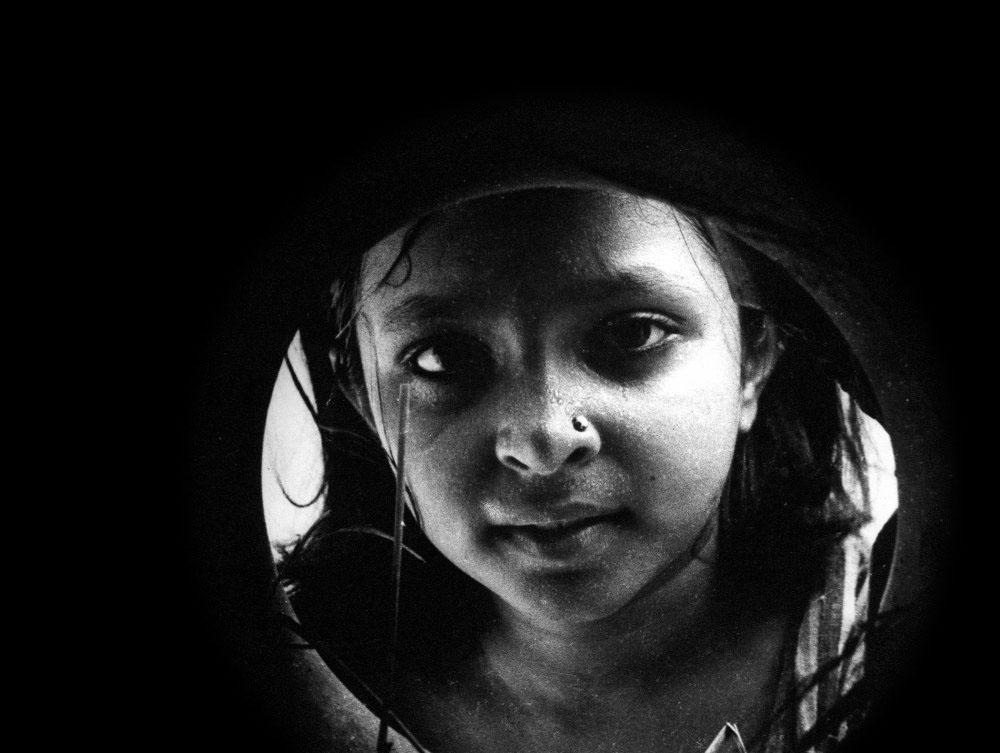
Introspection
The circular frame in Satyajit Ray’s Pather Panchali (1955) alludes to a sense of cinematic beauty and introspection.
Springboard: Designing the Architecture of Attention
For the AI filmmaker, composition is a “construction of thought” where every pixel is placed with intent. The goal is to move beyond random generation toward Accountable Authorship.
- Latent Symmetries: Drawing from the “Ozu Lesson” of precise arrangement, the AI filmmaker can design a frame where every background texture aligns to create a temporary “frame-within-a-frame” that highlights a fleeting moment of narrative clarity.
- Pattern as Emotion: Following the logic of Parasite (2019), the filmmaker can “conjure” environmental patterns—such as the repetition of shadows or architectural lines—to physically manifest a character’s growing anxiety or isolation.
In AI Cinematic Realism, composition is the architecture of the viewer’s experience. By mastering these classical structures, the filmmaker ensures that the synthetic world carries the weight of a lived truth, guiding the heart through a shared and authored vision.

 Joni Gutierrez, Ph.D.
Leave a comment