
This article is Part 3 of an eight-part series, The Ideational Frame: Drawing from Cinematic DNA for AI Cinematic Realism, designed to bridge classical film theory with the frontier of synthetic media. This series is a call to return to the core of cinema’s specificity—the rigorous craft of staging and cinematography—to open up new possibilities for the art and practice of generative AI media.
In the transition from traditional staging to the latent space, the focus shifts from the structural world to the expressive surfaces of costume, makeup, and lighting. In AI Cinematic Realism, these elements are no longer just aesthetic choices; they are the primary carriers of feeling, characterization, and genre in the constructed image.
Costume and Makeup as Surface Design
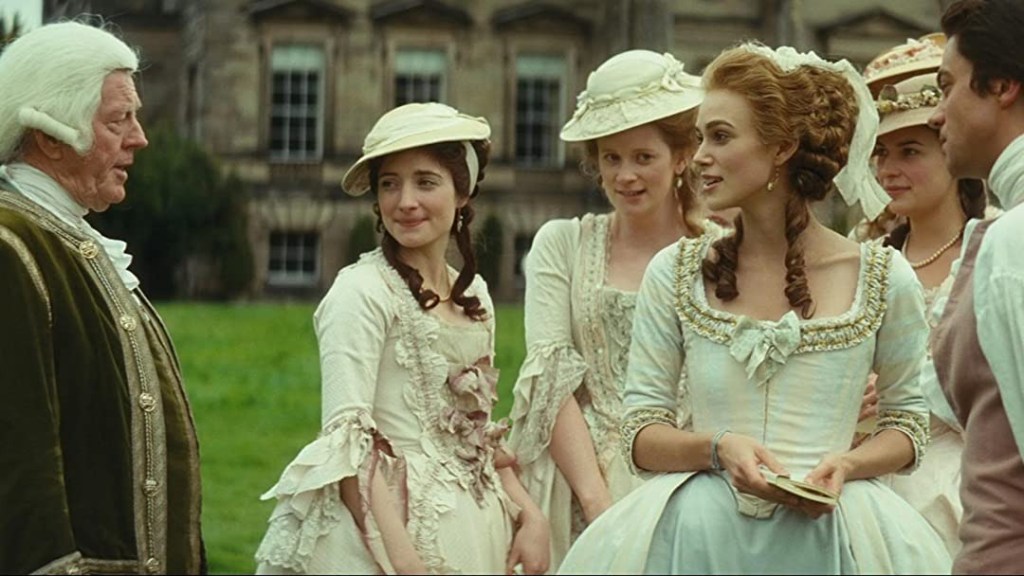
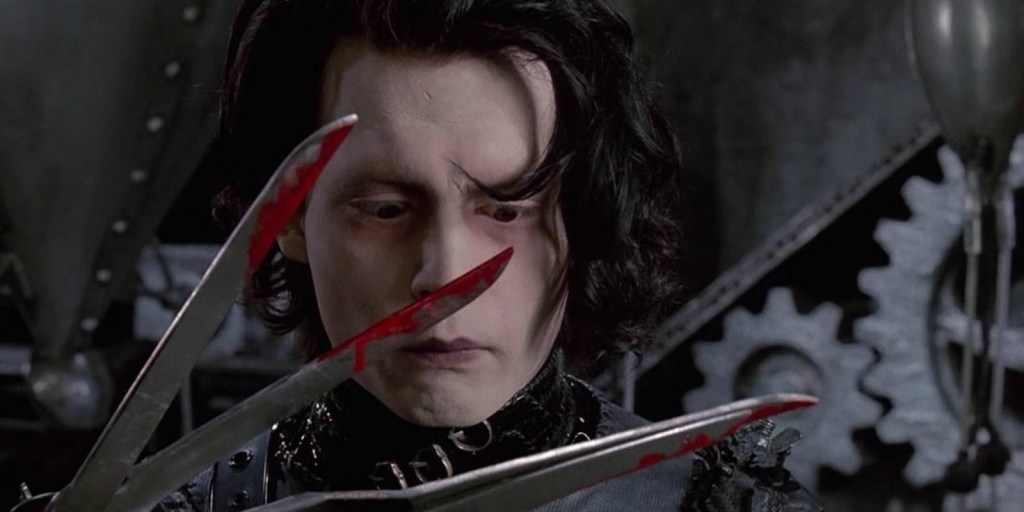
Costumes are established as vital tools for conveying authenticity, particularly in period films like Saul Dibb’s The Duchess (2008). Alternatively, they can be highly stylized to serve the specific demands of a genre, as seen in the gothic textures of Tim Burton’s Edward Scissorhands (1990).
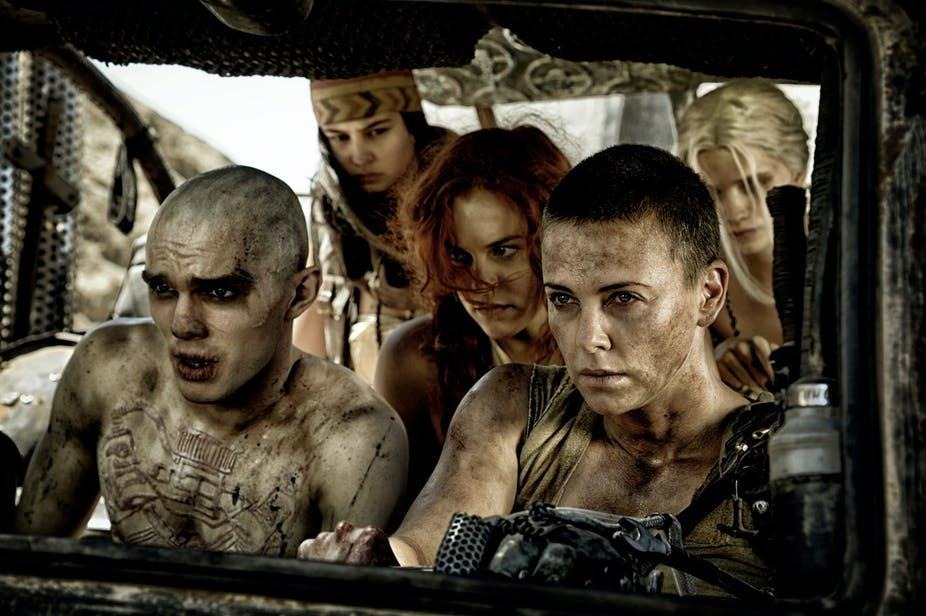
Makeup functions similarly, whether it is used to make an actor like Daniel Day-Lewis resemble a historical figure in Lincoln (2012) or to create the grit-streaked faces of Mad Max: Fury Road (2015).
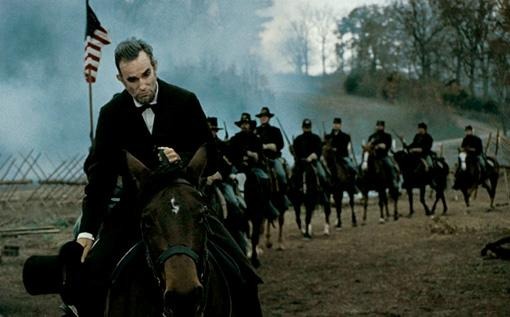
Lincoln (Steven Spielberg, 2012)
For the AI filmmaker, these surfaces are not “worn” by a physical actor but are authored as part of a unified, synthetic presence. The goal is Emotional Plausibility, where the “look” of a character must persuade the spectator of an internal reality.
The Logic of Illumination
Lighting design orchestrates the play of highlights and shadows to shape the composition of a shot and create the spectator’s sense of space.
Hard vs. Soft Light
Hard lighting casts strong, edgy shadows that add tension, as seen in The Maltese Falcon (1941).
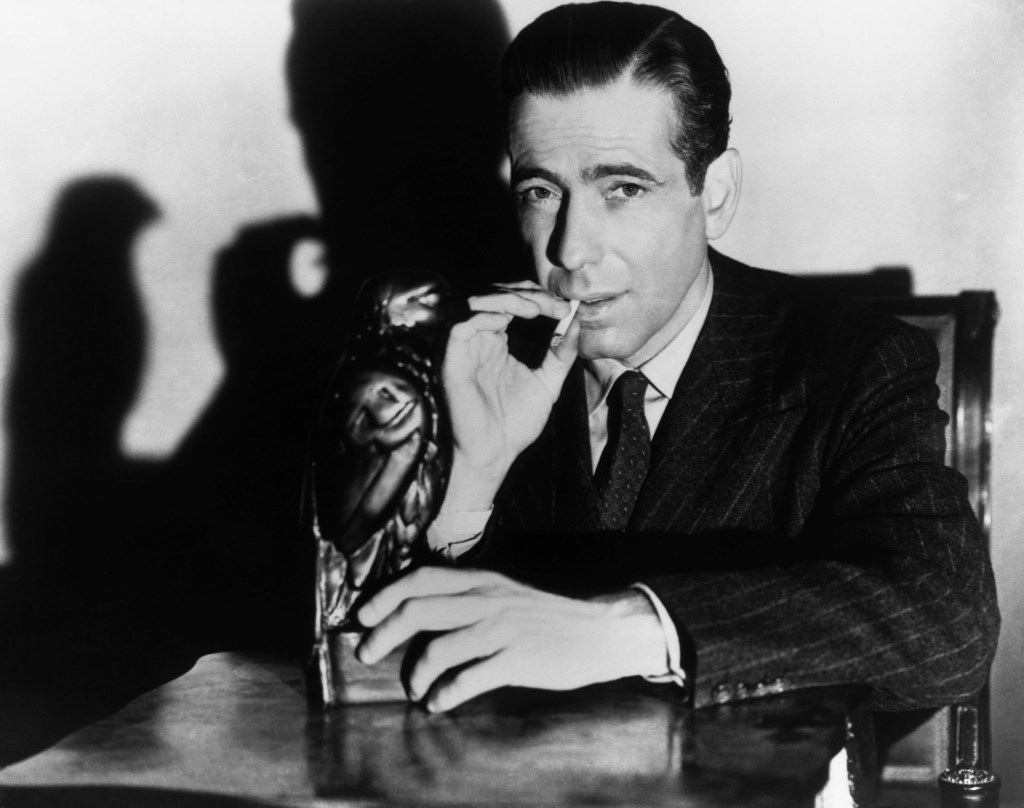
Conversely, soft lighting produces diffused, softer-edged shadows that can cinematically render a scene where a character “opens up,” as in Moonlight (2016).
High-Key vs. Low-Key Lighting
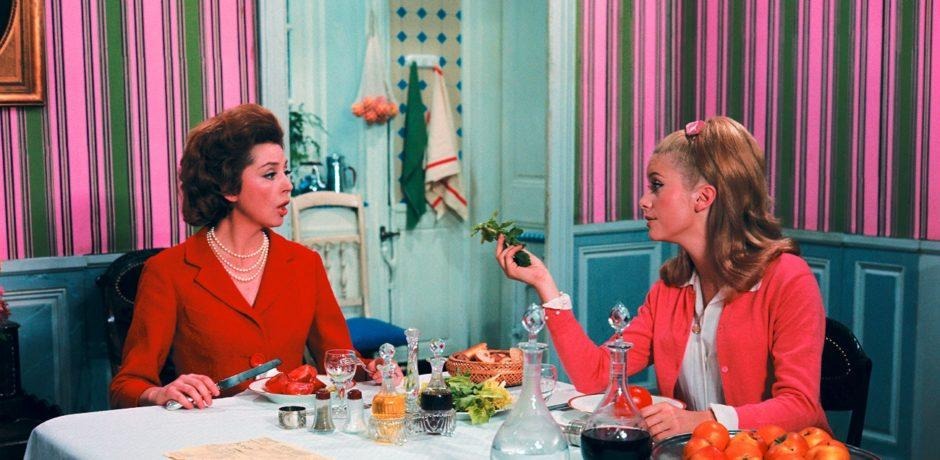
High-key lighting is free from dark shadows and is commonly used in comedies like The Umbrellas of Cherbourg (1964).
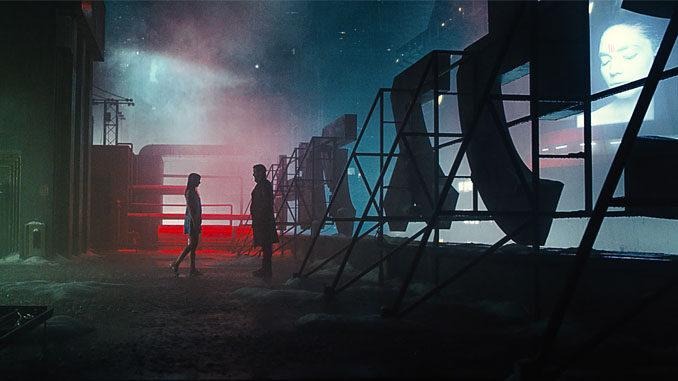
Low-key lighting, characterized by predominant shadows, creates a mysterious effect ideal for thrillers like Blade Runner 2049 (2017).
Directionality and Mood
The directionality of light has profound cinematic consequences. Francis Ford Coppola’s Apocalypse Now (1979) uses side-lighting to put half of a face in shadow, evoking an anxious and sinister mood.
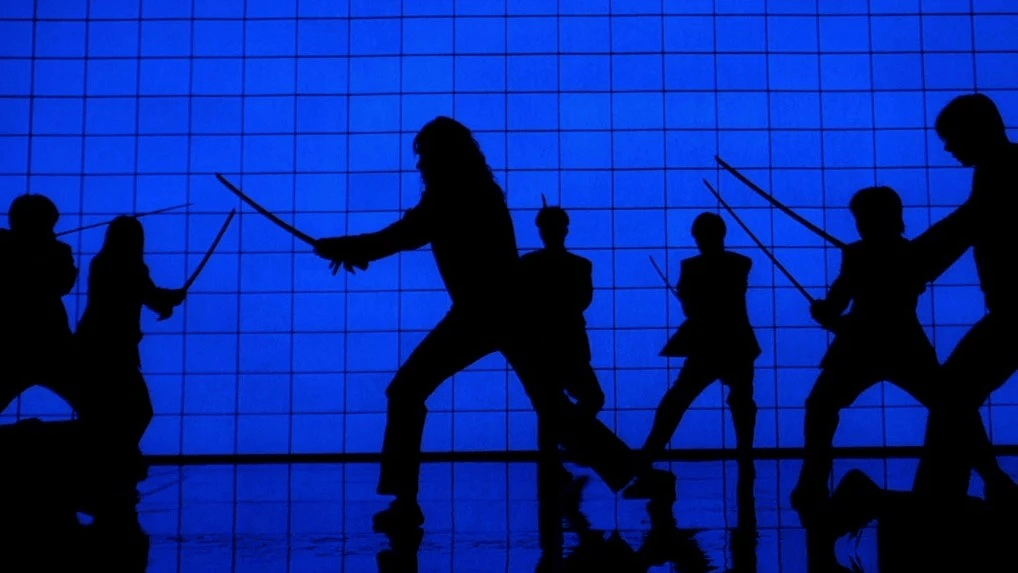
Other choices, such as top-lighting, under-lighting, or the silhouette-inducing back-lighting seen in Quentin Tarantino’s Kill Bill: Vol. 1 (2003), produce engaging, graphic-art effects.
Springboard: Authoring the Latent Light
In AI Cinematic Realism, lighting is not a physical rig but a mathematical intent. AI filmmakers can reach beyond the limits of traditional lighting by treating the frame as a canvas of pure feeling.
Adaptive Textures
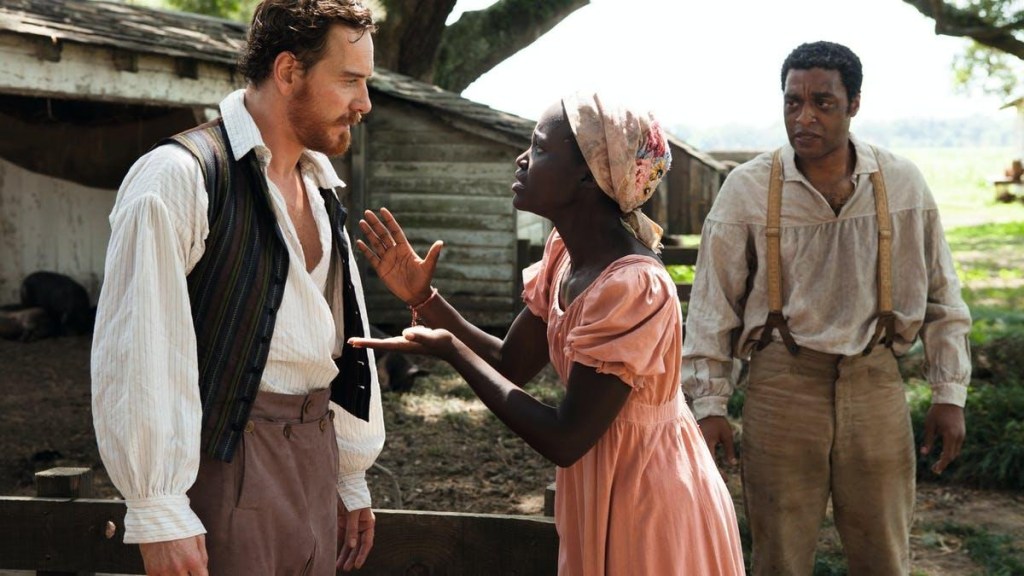
Just as Steve McQueen coordinated costume with setting in 12 Years a Slave (2013), the AI filmmaker can create the textures of a character’s clothing to subtly change contrast or saturation as the lighting shifts from high-key to low-key.
The Emotional Spotlight
Drawing from Alfonso Cuarón’s Roma (2018), where highlights and shadows bring characters together as an organic unit, the AI filmmaker can “conjure” light that follows no physical source but instead illuminates only the emotional center of the frame.
By moving from “lighting a set” to “authoring illumination,” the AI filmmaker uses traditional cinematographic reasoning to ensure the synthetic world feels emotionally grounded.

 Joni Gutierrez, Ph.D.
Leave a comment