
This article is Part 7 of an eight-part series, The Ideational Frame: Drawing from Cinematic DNA for AI Cinematic Realism, designed to bridge classical film theory with the frontier of synthetic media. This series is a call to return to the core of cinema’s specificity—the rigorous craft of staging and cinematography—to open up new possibilities for the art and practice of generative AI media.
In the landscape of AI Cinematic Realism, the camera does not exist as a physical object, yet its “position” remains a primary tool for assigning importance and defining power dynamics. By applying the historical logic of camera angles to the latent space, the AI filmmaker transforms a synthetic frame into a psychological vantage point that dictates how a spectator feels about a subject.
The Verticality of Power
The height of the camera relative to the subject is a fundamental decision in the director’s craft, used to cinematically render emotional and narrative weight.
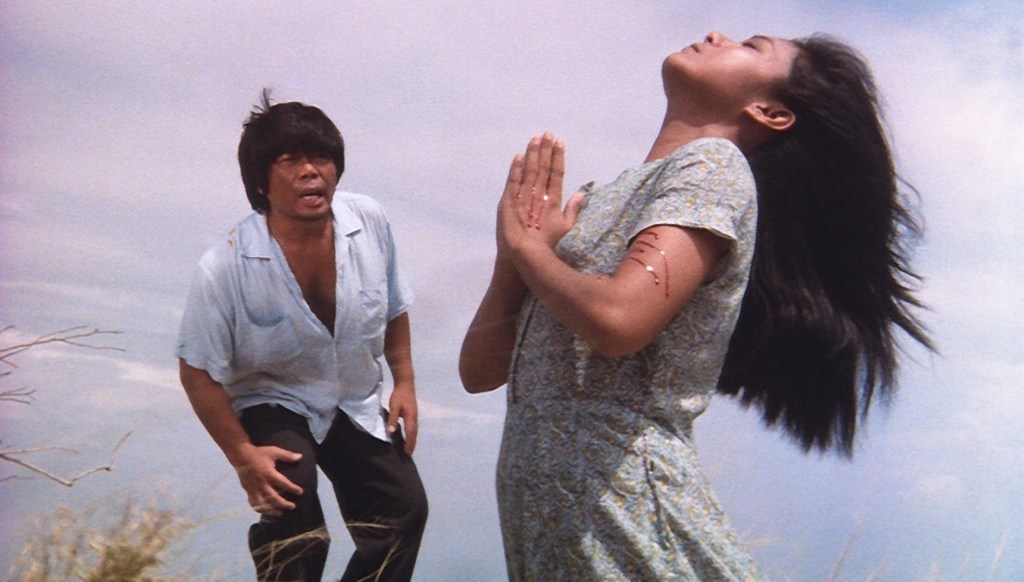
The Low-Angle Shot
By looking “up” at a subject, the filmmaker makes the character appear larger-than-life. In Ishmael Bernal’s Himala (1982), this angle dramatically assigns importance to the protagonist’s state, elevating her presence within the frame.
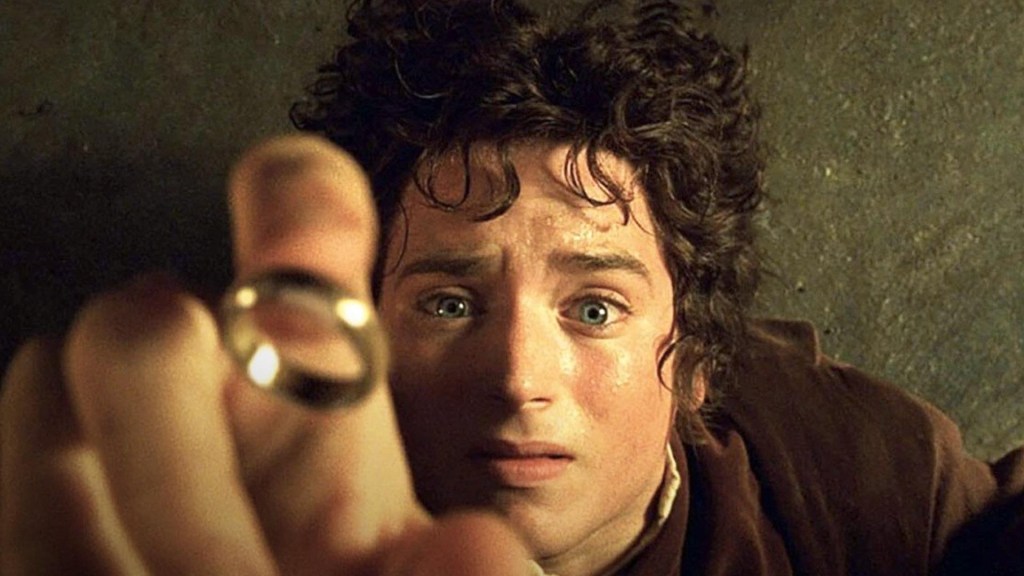
The High-Angle Shot
Conversely, a high-angle shot “looks down” at the subject from a higher physical vantage point. This psychologically places the character in a vulnerable position, as seen in Peter Jackson’s The Lord of the Rings: The Fellowship of the Ring (2001).
The Geometry of Instability
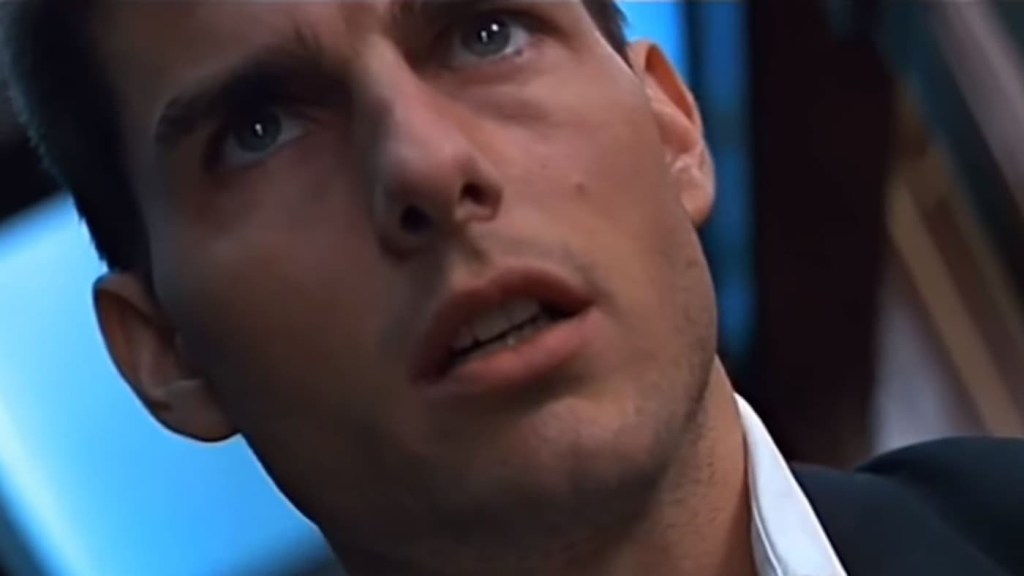
Beyond height, the levelness of the camera’s horizon can be manipulated to disrupt the spectator’s equilibrium and signal a shift in reality.
The Canted Angle (Dutch Tilt): An off-level camera position produces immediate visual tension. This technique is used to evoke anxiety, paranoia, confusion, or the general feeling that “something’s not right,” famously utilized in Brian De Palma’s Mission: Impossible (1996).
Springboard: Authoring the Latent Vantage
In AI Cinematic Realism, the filmmaker is not limited by the physical constraints of a tripod or crane. The “vantage” can be authored to evolve with the narrative:
- Perspective Shifts: Drawing from the Himala (1982) low-angle, an AI filmmaker can design a sequence where the horizon subtly drops as a character gains authority, physically manifesting a shift in power without a visible camera move .
- Ontological Instability: Rather than just tilting the “camera,” the filmmaker can “conjure” a world where the architecture itself begins to cant while the character remains level, externalizing a psychological break from reality .
By mastering these psychological vantages, the filmmaker ensures that the synthetic world carries the weight of a lived truth. The goal is to move the heart by applying the rigorous logic of traditional cinematography to a medium of pure ideation.

 Joni Gutierrez, Ph.D.
Leave a comment