
This article is Part 2 of an eight-part series, The Ideational Frame: Drawing from Cinematic DNA for AI Cinematic Realism, designed to bridge classical film theory with the frontier of synthetic media. This series is a call to return to the core of cinema’s specificity—the rigorous craft of staging and cinematography—to open up new possibilities for the art and practice of generative AI media.
In traditional cinema, a setting is often a “found” location or a physically built set. In AI Cinematic Realism, the setting is no longer a backdrop to be discovered; it is an authored geography that establishes the very ontological stakes of the narrative.
From Authentic Replicas to Stylized Décor
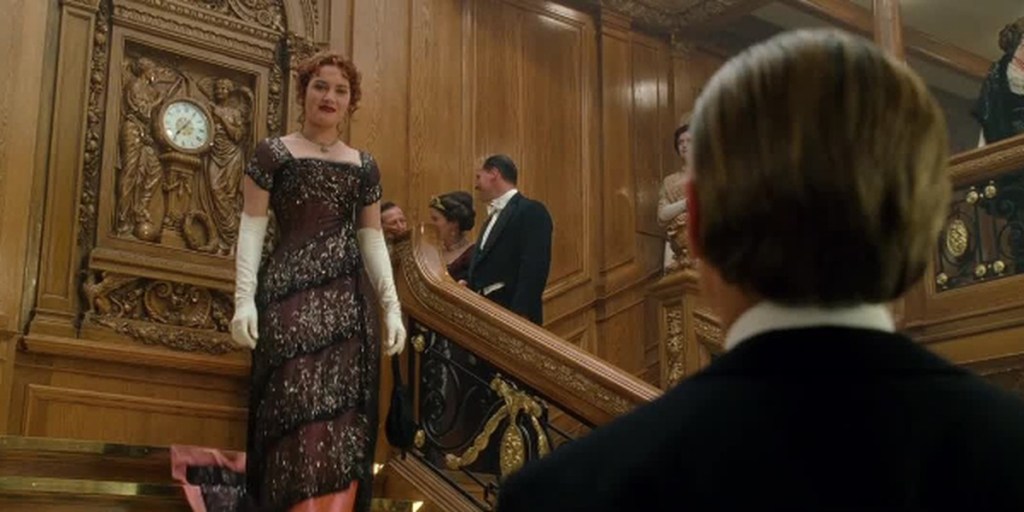
Historically, directors have navigated a spectrum between the “authentic replica” and the “stylized set.” James Cameron’s Titanic (1997) used meticulous replicas to ground the spectator in a realistic environment.
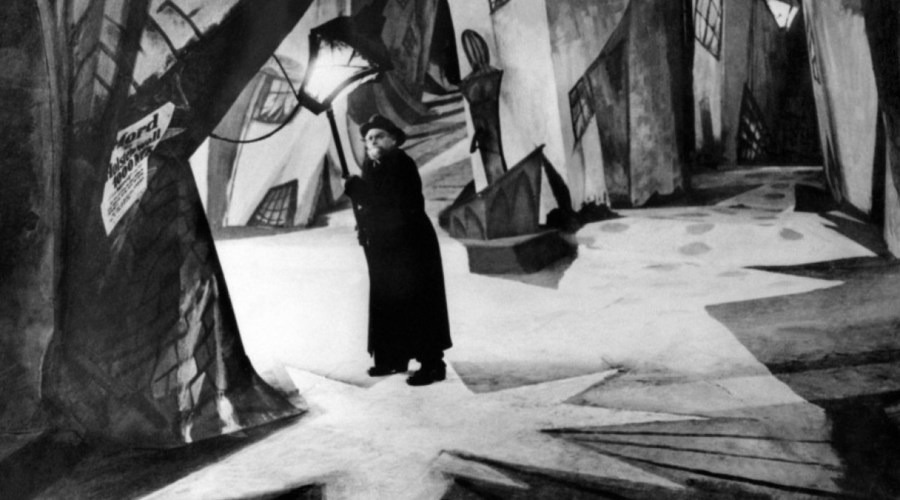
At the opposite end, Robert Wiene’s The Cabinet of Dr. Caligari (1920) utilized the stylized décor of German Expressionism to render a psychological landscape .
The Evolution of Control
The progression of cinema shows a steady move toward increased environmental control:
Natural Settings
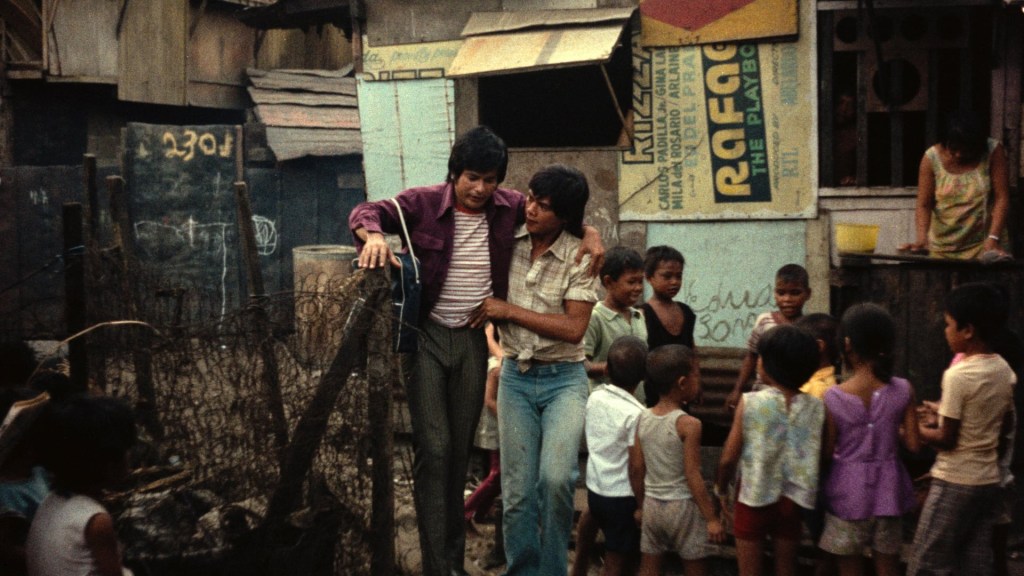
Shooting in natural locations, like the actual slums in Lino Brocka’s Manila in the Claws of Light (1975), immerses the narrative in a specific social milieu.
Studio Construction
Constructed studio sets, like those in A Beautiful Day in the Neighborhood (2019), allow for total orchestration of the scene.

Computer-Generated Settings
Major productions, such as Avengers: Endgame (2019), rely on computer-generated worlds as a core part of their mise-en-scène.

Springboard: The Latent Geography
AI Cinematic Realism offers a “third way” that merges the grit of naturalism with the total control of expressionism. The AI filmmaker does not “place” a character in a world; they author the world around the character.
- Non-Euclidean Geographies: Drawing from Caligari, the AI filmmaker can design spaces where the physical laws are dictated by the story’s theme rather than physics.
- Generative Motifs: Just as Alfred Hitchcock used a drain hole in Psycho (1960) as a visual motif for voyeurism, the AI filmmaker can create entire environmental textures to function as recurring narrative symbols.
In the latent space, the setting is an active participant in the story. By moving from “shooting on location” to “worldbuilding by design,” the AI filmmaker reaches back to the origins of cinema as a conjured art form.

 Joni Gutierrez, Ph.D.
Leave a comment